Distance Learning vs Regular Degree: Which Mode Actually Works for Students in 2026?

The way students earn degrees is changing rapidly. Online classes, digital learning platforms, and flexible schedules have made higher education more accessible than ever. Yet, despite these advancements, many students still wonder: should they choose distance learning or a traditional campus degree?
For students and parents exploring higher education options, understanding the difference between these two paths has become increasingly important. At Noble University, students gain access to industry-focused education, campus facilities, practical training, and career development opportunities that help prepare them for the real world.
Let’s explore the complete comparison between distance learning vs regular degree India 2026 and discover which option truly delivers better outcomes.

Distance vs Regular Degree: Why This Question Is More Relevant Than Ever in 2026
A decade ago, regular degrees dominated higher education. Today, students have multiple options including online, hybrid, and correspondence programs.
Several factors are driving this shift:
- Improved internet accessibility
- Growing popularity of remote learning
- Working professionals seeking flexible education
- Rising awareness of alternative learning modes
However, while flexibility has improved, employers still evaluate candidates based on skills, practical exposure, and industry readiness—not just the degree certificate.
This makes the debate around which mode of study is better India 2026 more important than ever.
What Is Distance Learning? How It Works in the Indian University System
Distance learning allows students to pursue academic programs without attending regular campus classes.
Typically, students receive:
- Study materials online or by post
- Recorded lectures
- Online examinations or periodic assessments
- Flexible learning schedules
Many universities now offer distance education UGC approved Gujarat programs and similar courses across India.
Distance education works well for:
- Working professionals
- Students preparing for competitive exams
- Individuals with family responsibilities
- Learners living in remote locations
The biggest advantage is flexibility. Students can study at their own pace while managing other commitments.
However, flexibility often comes at the cost of campus interaction, practical exposure, and networking opportunities.
What a Regular On-Campus Degree Actually Offers Beyond a Certificate
Many students mistakenly believe a degree is simply a certificate.
In reality, a regular college education provides much more.
A campus environment helps students develop:
- Communication skills
- Leadership abilities
- Teamwork experience
- Professional confidence
- Industry exposure
Think of it like learning cricket. Watching tutorials online may teach the rules, but playing regularly on the field develops real match-winning skills.
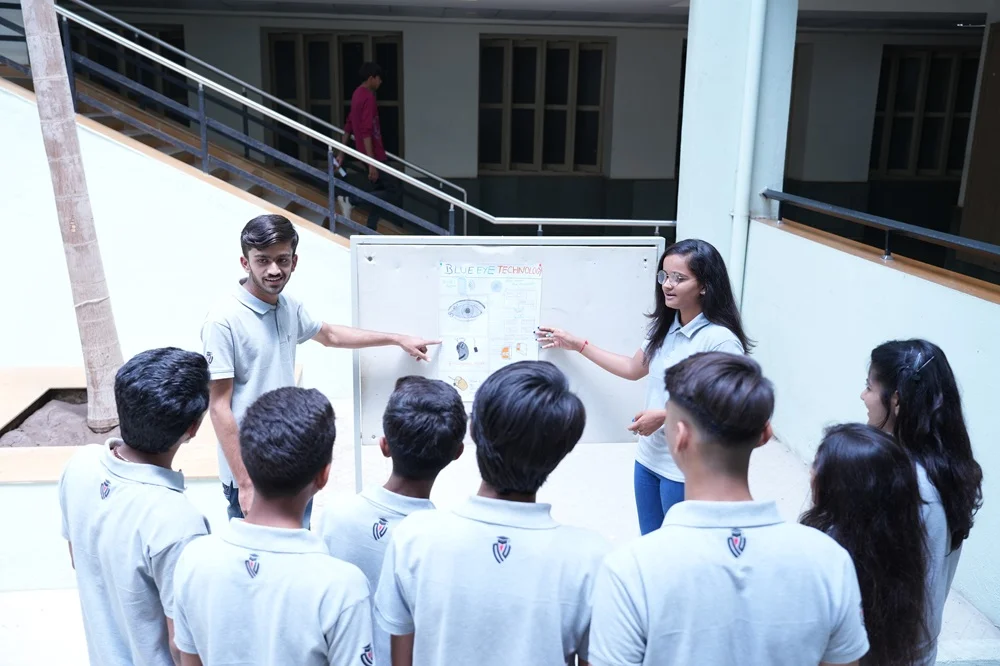
Similarly, students studying at a junagadh college or university campus participate in:
- Practical labs
- Workshops
- Internships
- Seminars
- Industry interactions
- Cultural and extracurricular activities
This complete learning ecosystem shapes students into professionals rather than just degree holders.
The growing popularity of skill-based education further highlights why practical learning matters. Learn more in this guide on skill-based degrees and vocational education.
Recognition & Validity: Are Distance Degrees Accepted for Government Jobs & Higher Studies?
One of the most common concerns among students is degree recognition.
The good news is that a UGC-approved distance degree is generally valid for:
- Government jobs
- Competitive examinations
- Higher education programs
- Private sector employment
This means a distance degree valid government jobs Gujarat is possible if the program is approved by the appropriate authorities.
Similarly, students can pursue UPSC, GPSC, SSC, banking, and many other examinations using recognized distance qualifications.
However, students must verify:
- UGC recognition
- DEB approval where applicable
- University accreditation status
The debate around regular vs correspondence degree recognition India often arises because some employers value campus experience alongside academic qualifications.
For higher studies, most recognized distance degrees remain acceptable, provided university eligibility requirements are met.
Students exploring university options may also this comparison of state vs private universities in Gujarat useful.
Practical Reality: Placements, Networking & Industry Exposure Compared
This is where the biggest difference appears.
When discussing placement opportunities regular vs distance degree, employers often focus on practical skills rather than academic scores alone.
Distance Learning Students Typically Receive:
- Limited placement support
- Fewer networking opportunities
- Minimal industry interaction
- Reduced internship exposure
Regular Degree Students Typically Receive:
- Campus recruitment drives
- Internship opportunities
- Industry projects
- Alumni networks
- Career guidance support
- Soft skills development
Imagine two students graduating with similar academic knowledge.
One has participated in internships, presentations, group discussions, and industry visits.
The other has mainly studied independently.
Which candidate is likely to feel more confident during an interview?
This explains why many recruiters still prefer candidates with strong campus exposure.
The difference between online degree vs campus degree India often becomes most visible during hiring and career progression.
Who Should Choose Distance Mode – and Who Absolutely Shouldn’t
Distance education is not inherently good or bad.
Its effectiveness depends entirely on the learner.
Distance Learning May Be Ideal For:
- Working professionals
- Entrepreneurs
- Government exam aspirants
- Students needing schedule flexibility
- Individuals upgrading qualifications
Distance Learning May Not Be Ideal For:
- Fresh 12th-pass students
- Students seeking campus placements
- Learners who need structured guidance
- Individuals pursuing practical professions
Many young students underestimate the importance of peer learning, mentorship, and campus exposure during their formative years.
For most school graduates entering higher education, a regular degree often provides a stronger foundation.
Courses Where Regular Degree Is Non-Negotiable (Engineering, Medical, Nursing, Law)
Some fields simply cannot be learned effectively through distance education.
These include:
- Engineering: Practical labs, workshops, and technical training are essential.
- Medical Programs: Clinical exposure and patient interaction are mandatory.
- Nursing: Hands-on healthcare training is a core requirement.
- Pharmacy: Laboratory work and practical sessions play a critical role.
- Law: While certain theoretical programs exist, professional legal training benefits significantly from classroom discussions, moot courts, and practical exposure.
For these professions, regular learning remains the preferred pathway.
Students looking for career-focused higher education should prioritize institutions that provide practical learning environments and industry integration.
Make the Right Choice with Noble University’s On-Campus Programs
The truth is simple.
Distance education offers flexibility. Regular education offers transformation.
While distance learning serves specific audiences well, most students beginning their higher education journey benefit significantly from structured campus experiences, practical exposure, industry interaction, and placement support.
As one of the best regular degree colleges Junagadh region students consider for higher education, Noble University focuses on preparing students not just for examinations but for careers, entrepreneurship, and lifelong success.
Whether you aspire to become an engineer, pharmacist, manager, scientist, healthcare professional, or entrepreneur, learning in an active academic environment can provide a strong competitive advantage.
Apply Now or Visit Noble University to discover programs designed for the careers of tomorrow.
Ready to start your academic journey?Explore the direct admission process at Noble University in 2026.
FAQS
Yes. A distance degree from a recognized university approved by UGC and relevant authorities is generally accepted for government jobs, competitive examinations, and higher studies in India.
The answer depends on your goals. Distance learning offers flexibility, while regular degrees provide practical exposure, networking opportunities, internships, and stronger placement support.
They can be, provided the university and program have the necessary approvals and recognition from regulatory bodies. Students should always verify accreditation before enrolling.
Yes, it is possible. However, placement opportunities often depend more heavily on your skills, experience, certifications, and networking efforts compared to students in campus-based programs.
Professional programs such as engineering, medicine, nursing, and many practical healthcare courses generally require regular classroom instruction and hands-on training.
For many students, yes. The additional benefits of campus learning, practical exposure, internships, career guidance, and networking often provide long-term career advantages.
Online degrees typically involve digital classes, virtual interaction, and internet-based learning. Traditional distance education relies more on self-study materials with limited real-time interaction. Both should be pursued through recognized institutions.