Career Options After Graduation: What Students Often Miss

Graduation is often treated like a finish line. Degree complete, photos clicked, relatives informed—now it’s time to “settle” into a career. But here’s the truth: many students realize a little too late that graduation is not the end of decision-making. It’s actually where the real choices begin.
At Noble University, students are increasingly asking deeper questions—not just what job will I get, but what kind of career will still make sense five years from now. In a state like Gujarat, where industries are evolving fast, emerging career options after graduation look very different from what they did even a decade ago. The problem is not a lack of options—it’s the number of unseen ones.
The Biggest Mistake Students Make After Graduation
Most wrong career moves are made in a hurry, not out of lack of talent.
Choosing “Safe” Options Without Understanding Them
Many graduates choose roles simply because they sound stable—office jobs, clerical roles, or entry-level positions that “everyone applies for.” On paper, these look safe. In reality, they may offer little learning, limited growth, and outdated skill requirements.
Peer pressure, family advice, and social comparisons often push students toward these roles. But safety without growth quickly becomes stagnation—especially when future jobs in Gujarat demand adaptability, not routine.
Assuming Degree = Career
A commerce graduate thinks finance is the only option. A science graduate believes lab work is mandatory. An arts student feels stuck explaining their degree. This assumption quietly limits potential.
Today, job roles matter more than degree titles. The same degree can lead to analytics, operations, compliance, digital strategy, or sector-specific roles. What matters is how students apply their learning—and whether they develop high demand skills alongside their degree.
Career Paths Students Rarely Explore
Some of the most rewarding careers are not loudly advertised.
Skill-Based and Industry-Oriented Roles
Many industries hire for skills, not degrees. Roles in operations management, data support, healthcare technology, logistics planning, quality assurance, and compliance are growing careers after degree and are rising steadily.
These roles often sit behind the scenes, which is why students overlook them. But they form the backbone of modern businesses and align closely with emerging careers in Gujarat, especially in manufacturing, healthcare, and service sectors.
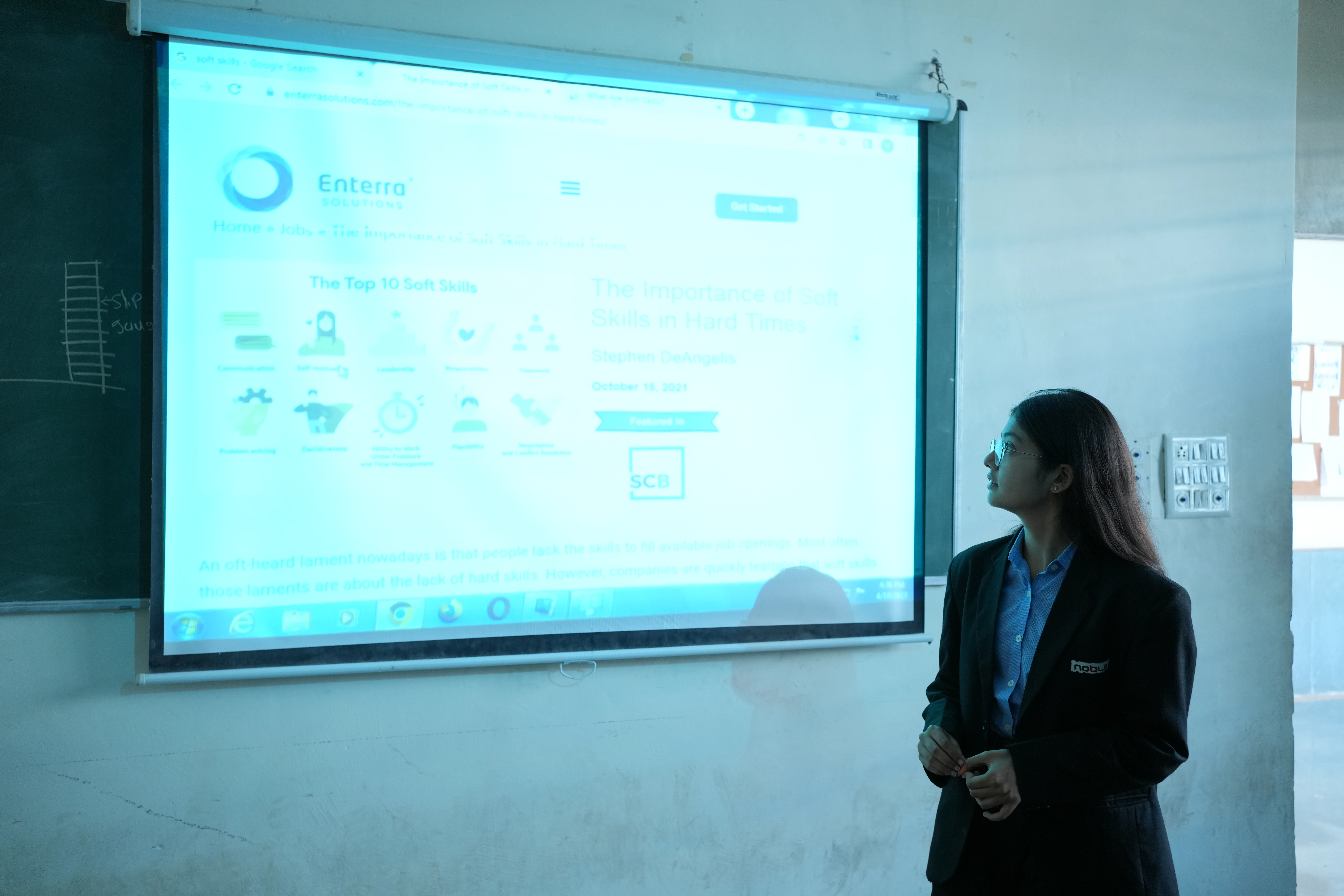
Emerging and Hybrid Career Roles
New-age careers are being created at the intersection of fields. Technology combined with healthcare, analytics mixed with business strategy, or sustainability paired with operations are no longer rare—they’re in demand.
These hybrid roles exist because industries evolve faster than textbooks. Students who understand this early are better prepared for future jobs in Gujarat in the coming decade.
PG Courses Isn’t the Only “Smart” Move
Studying more is useful only when done with clarity.
When Higher Education Makes Sense
PG courses work best when driven by purpose—specialization, research goals, academic depth, or international exposure. A well-chosen postgraduate degree can sharpen direction and open advanced career doors.
When learning is intentional, it becomes a multiplier, not a pause button.
When It Becomes a Time Delay
Many students enroll in postgraduate programs simply to avoid job uncertainty. This often leads to financial stress, unclear outcomes, and frustration after graduation—again.
Without clarity, higher education becomes an expensive way to postpone decisions instead of solving them. Understanding career pathways early helps avoid this trap.
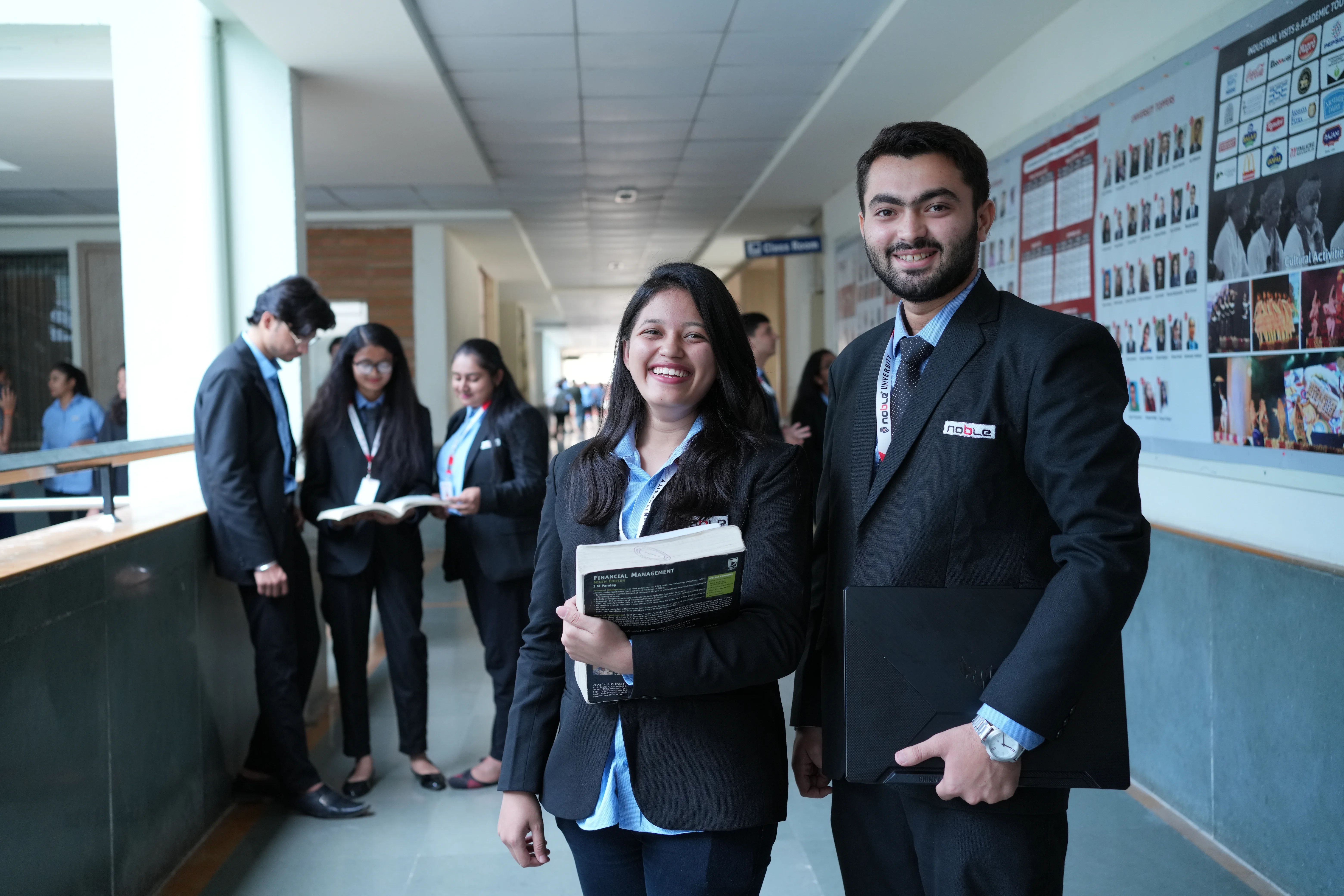
Career Options Beyond Traditional Job Roles
Careers today are built, not just applied for. The top emerging careers in Gujarat in 2026 look very different from what they were a decade ago.
Entrepreneurship and Micro-Business Careers
Entrepreneurship doesn’t always mean raising funds or launching tech startups. Many graduates build careers through small businesses, family enterprises, consulting services, or local ventures.
With the right skills and mentorship, entrepreneurship can be structured, sustainable, and less risky than commonly perceived—especially in Gujarat’s business-friendly ecosystem.
Freelancing and Project-Based Careers
Freelancing is no longer limited to creative fields. Graduates today work independently as analysts, content specialists, developers, trainers, and consultants.
Success in freelancing depends on discipline, communication, and developing strong, high-demand skills—not just talent. For many, it offers flexibility and faster career ownership.
Professional Courses Students Overlook
In 2026, skill-based learning is becoming the new mainstream because these shorter learning paths can often lead to faster careers.
Industry-Certified Programs
Industry-aligned certifications often prepare students directly for job roles. Employers value candidates who understand tools, processes, and real-world applications.
These programs help students align with future jobs Gujarat industries are actively hiring for—without spending years in additional education.
Diploma and Vocational Career Routes
Diplomas and vocational programs focus on hands-on learning. They are especially suitable for students who prefer practical work over theory.
Such routes offer quicker employability and are closely tied to emerging careers in Gujarat, particularly in healthcare, engineering support, logistics, and applied technology.
What Students Should Do Differently After Graduation
Career clarity doesn’t come from copying others—it comes from exploration. Students who succeed in long-term focus on skills, exposure, and informed decisions rather than rushing into “safe” options.
Parents, too, are realizing that success no longer follows a single formula. Careers today have multiple entry points, flexible growth paths, and evolving roles. Platforms like Noble University support this shift by guiding students through different career pathways after graduation.
If you’re standing at the crossroads after graduation, don’t settle for what’s familiar. Choose what prepares you for the future.
Explore future-ready programs at Noble University and take the first step toward a career built on clarity, relevance, and growth.
Ready to take the next step?
FAQS
Students should assess their interests, strengths, and career goals instead of rushing into the first available job or higher studies without clarity.
Traditional jobs still exist, but many future jobs in Gujarat now require adaptability, digital exposure, and practical skills rather than fixed, routine roles.
Students can explore roles in healthcare technology, logistics management, data support, sustainability, and hybrid business-tech roles aligned with emerging careers in Gujarat.
Higher education helps when pursued with a clear purpose, but skill-based programs and certifications focused on high-demand skills can also lead to strong career outcomes.
Degrees open doors, but employers increasingly prioritize high-demand skills such as problem-solving, communication, and industry-relevant expertise.
Parents can encourage exploration, internships, and guided decision-making instead of pushing only “safe” or conventional career paths.