
How Internships Shape Career Readiness for College Students

Marks may help you pass exams, but internships help you pass real-life interviews. Today, companies don’t just ask what degree you have—they ask what you can actually do. That’s why internships for college students have become one of the most important steps toward a successful career.
At Noble University, internships are not treated as optional add-ons. They are built into the learning journey so students graduate with skills, confidence, and real industry exposure, not just a degree.
Let’s break down why internships matter, the types of internships students should explore, how Noble supports this journey, and how students can make the most of every opportunity.

Why Internships Are No Longer Optional for College Students
Internships are no longer about “extra experience.” They are about career readiness.
Classroom Knowledge vs Real-World Expectations
- Internships help students apply classroom concepts to real workplace situations.
- Students learn to manage deadlines, teamwork, and practical problem-solving.
- Hands-on exposure bridges the gap between academics and professional expectations.
Early Career Clarity Before Graduation
- Internships expose students to different roles and industries early in their journey.
- Students understand what excites them—and what doesn’t—before graduating.
- Early clarity reduces the risk of choosing the wrong career path later.
Building Confidence and a Professional Mindset
- Students learn professional behaviour such as reporting to seniors and taking responsibility.
- Internships build confidence, discipline, and accountability through real work pressure.
- Exposure to workplace culture makes students more focused and career-aware.
Stronger Employability and Placement Readiness
- Internship experience shows employers that students are ready to contribute from day one.
- Students gain practical skills and understand workplace dynamics.
- Both paid internships and learning-focused roles significantly improve employability.
Types of Internships Every College Student Should Explore
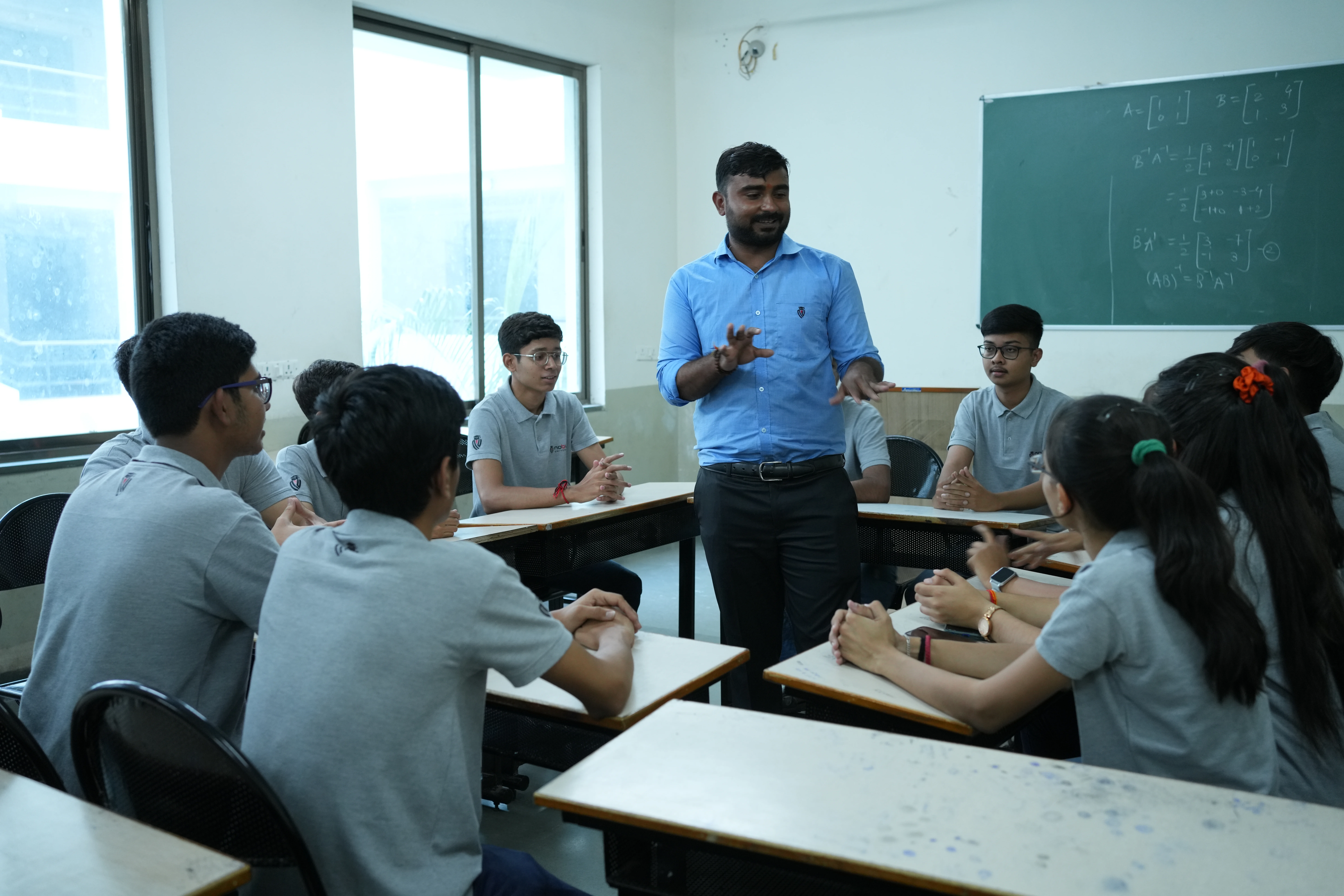
Not all internships serve the same purpose—each one adds a different layer to career growth.
Academic and Course-Linked Internships
These internships align directly with a student’s degree program. Engineering, pharmacy, management, and IT students benefit greatly when classroom concepts are applied to real projects. Academic internships strengthen subject understanding and improve academic performance.
Industry Internships with Companies and Startups
Industry internships offer direct industry exposure, allowing students to observe real business operations. Startups teach adaptability and speed, while corporate environments teach structure and process. Both experiences help students understand workplace realities early on.
Paid vs Unpaid Internships – What Matters More?
Paid internships are attractive—and rightly so—but learning should always come first. Early in college, unpaid internships focused on skill-building can be extremely valuable. As students gain experience, paid internships become more accessible and rewarding.
Virtual and Remote Internships
With remote work becoming common, virtual internships are gaining importance. They allow students to work with national and global organisations while learning digital collaboration, time management, and professional communication—all essential modern skills.
Research, Innovation, and Project-Based Internships
For students interested in higher studies or specialised careers, research internships are ideal. These internships develop analytical thinking, problem-solving, and innovation—skills highly valued across industries.
How Noble University Supports Internship Readiness
At Noble University, internships are structured, supported, and career-focused.
Industry-Aligned Curriculum and Practical Learning
Noble designs its curriculum with real-world relevance in mind. Practical assignments, case studies, and hands-on labs ensure students are internship-ready even before they step into a workplace.
Strong Industry Connections and Internship Opportunities
Through its structured approach to career development, Noble ensures students get access to meaningful internships. The university’s focus on training and placement support helps students find opportunities that align with their career goals.
Internship Training, Mentorship, and Guidance
Students receive guidance before, during, and after internships. From interview preparation to workplace behaviour, Noble ensures students know how to perform professionally and make the most of their experience.
Live Projects, Workshops, and Industry Interaction
Regular industry workshops and live projects expose students to real challenges. These interactions prepare students for internships by familiarising them with tools, expectations, and professional standards.
Placement-Oriented Internship Approach
Internships at Noble are not isolated experiences. They are part of a long-term career plan, often leading to pre-placement offers. This structured approach ensures students graduate truly job-ready.
Practical Tips for Students to Make the Most of Internships
An internship’s impact depends on how actively a student engages with it. Here are some practical tips to help students make the most of their internships
- Start internships early to explore different fields and discover what truly interests you.
- Don’t wait until the final year—early exposure helps build a stronger career profile over time.
- Focus on learning skills and gaining experience, not just collecting certificates.
- Ask questions, take initiative, and stay curious during your internship.
- Work on professional communication, including emails, teamwork, and presentations.
- Observe workplace behaviour and learn how professionals interact and collaborate.
- Seek feedback regularly and use it to improve your performance.
- Accept constructive criticism positively and apply it to your work.
- Keep track of what you learn, the challenges you handle, and the impact you create.
- Use your internship experiences to build a strong and confident career story for interviews.
Read this detailed guide on how to approach your first internship during college to prepare confidently and land great internships.
Building Career-Ready Graduates Starts with the Right Internships
Internships are no longer optional—they are essential. They provide industry exposure, build confidence, and prepare students for real careers. Whether through paid internships or learning-focused roles, practical experience shapes future success.
At Noble University, internships are integrated into education to ensure students graduate with clarity, confidence, and career-ready skills—not just degrees.
Explore Noble’s future-ready programs and take the first step toward a career built on real-world experience.
FAQS
Internships help students gain real industry exposure, practical skills, and confidence that classroom learning alone cannot provide.
Students should ideally start internships from the first or second year to explore interests early and build a strong career profile over time.
Paid internships are beneficial, but unpaid or learning-focused internships can be equally valuable when the goal is skill development and experience.
Yes, internships improve placement readiness by showcasing practical skills, workplace understanding, and job readiness to employers.
Noble University supports students through industry-aligned curriculum, internship guidance, and structured training and placement support.
Internships help students develop communication skills, teamwork, problem-solving ability, professionalism, and a strong work ethic.