

Job-Oriented Courses After 12th That Offer Faster Employment

Choosing the right path after Class 12 is one of the biggest decisions for students and parents. Today, it’s no longer just about getting a degree—it’s about getting a job, building skills, and becoming independent early. That’s why many students are now exploring job-oriented courses after 12th that focus on real-world skills and faster employment. Universities like Noble University recognise this shift and are developing programs that strike a balance between education and employability.
If you’re confused about what to do next, this blog will help you understand why skill-focused education works, which courses offer quicker job opportunities, and how Noble University supports students in building strong careers.

What Is Skill-Based Education and Why It Matters Today
Education is changing fast. Companies no longer want only marksheets; they want graduates who can actually do the job. This is where skill-based learning comes in.
Traditional education often focuses heavily on theory. Skill-based courses, on the other hand, focus on how things work in real life. For example, instead of only learning concepts from books, students practice in labs, workshops, and real projects. This approach helps students become job-ready, not just degree holders.
Early employment means financial independence and confidence. For many families, it also reduces pressure on parents. Choosing job-oriented courses after 12th allows students to enter the workforce sooner, gain experience early, and grow faster in their careers.
Industries Actively Hiring Skill-Trained Freshers
Several industries now prefer candidates with hands-on training:
- Healthcare and pharmacy
- Engineering and technical services
- IT and automation
- Business operations and management
These sectors value employability and practical exposure more than theoretical knowledge alone.
Job-Oriented Courses After 12th That Lead to Faster Employment
Not all courses are designed with jobs in mind. The courses below focus on skills, training, and industry relevance.
Diploma Courses After 12th
Diplomas are among the most popular vocational degrees because they are shorter and more practical. Engineering diplomas in mechanical, civil, electrical, or computer fields prepare students for technician and junior engineer roles. You can explore available options through Noble University’s diploma programs.
Pharmacy and Healthcare-Focused Programs
Healthcare is a stable and growing sector. Courses like D.Pharm and B.Pharm are excellent examples of skill-based courses that lead to roles in hospitals, pharmaceutical companies, labs, and medical sales. These programs combine classroom learning with lab work and internships.
IT, Computer, and Technology-Oriented Courses
Technology is everywhere today. Courses in computer applications, IT, and automation help students enter roles related to software support, data handling, and tech operations. These job-oriented courses after 12th are especially useful for students who want office-based or tech-driven careers.

Management and Commerce-Based Job-Oriented Courses
BBA and similar programs focus on business skills like sales, operations, HR, and marketing. These vocational degrees are designed to prepare students for entry-level management roles and offer strong employability in private companies.
Emerging Skill-Based Programs Students Should Watch
New-age programs that combine technology, management, and applied learning are gaining popularity. These skill-based courses open doors to careers beyond traditional engineering or medical paths and align well with future job trends, which is why skill-based learning is becoming mainstream in today’s day and age.
How Job-Oriented Courses Improve Placement and Employability
The biggest advantage of job-focused education is how it prepares students for placements.
1. Practical Training and Lab-Based Learning
Hands-on training builds confidence. When students work in labs, workshops, and live projects, they understand how theory applies in real jobs. This directly improves employability.
2. Industry Exposure and Internship Opportunities
Internships allow students to experience real workplaces before graduating. Many companies prefer hiring interns as full-time employees, which makes job-oriented courses after 12th even more effective.
3. Skill Certifications and Industry Alignment
Certifications and industry-aligned curricula add value to a student’s resume. Employers trust candidates who already understand the tools and processes used in their field.
4. Faster Hiring Cycles for Job-Oriented Graduates
Since these students require less training, companies are quicker to hire them. This shortens the gap between graduation and employment, which is exactly what most students and parents want.
Why Noble University Is a Strong Choice for Job-Oriented Courses
Choosing the right university is as important as choosing the right course. Noble University designs its programs with industry needs in mind. The focus is on practical learning, updated syllabi, and skills that improve employability from day one.
Students receive career counselling, placement training, and interview preparation. This support system helps students convert their vocational degrees into real job opportunities.
Modern labs and learning spaces ensure students get hands-on exposure. This environment supports skill-based courses and builds confidence before entering the workforce.Career decisions affect the whole family. Noble University offers clear guidance to help students and parents choose the right path, especially for those exploring job-oriented courses. For students still confused, this guide on choosing a career after 12th is a helpful starting point.
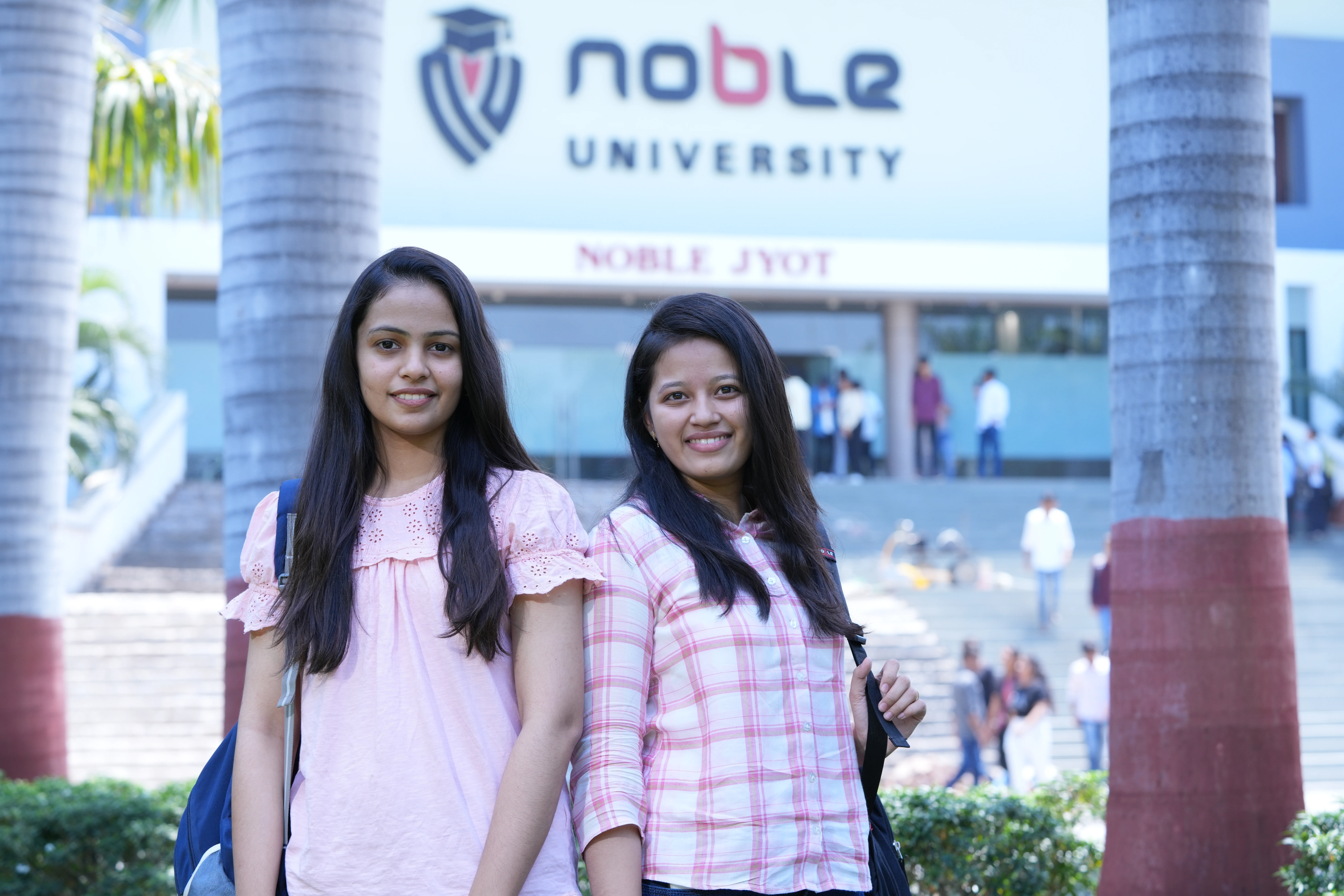
Choose Skills Today for a Secure Career Tomorrow
The future belongs to those who can apply what they learn. Skill-based courses, vocational degrees, and job-oriented programs offer students faster employment, real confidence, and long-term growth. If your goal is strong employability and a smooth transition from classroom to career, choosing the right course and university matters. Start your journey with Noble University – where education meets industry, and learning leads to jobs.
Ready to explore job-oriented programs designed for faster employment? Visit the Noble University Admissions page to get detailed guidance, speak with counsellors, and take the first step toward a skill-driven, future-ready career.
FAQS
Job oriented courses after 12th focus on practical skills, hands-on training, and industry exposure to help students get employed faster after completing their studies.
Skill-based courses emphasise real-world application, lab work, internships, and job-ready training, whereas regular degrees often focus more on theoretical learning.
Yes, vocational degrees offer strong employability at the entry level and allow students to gain early experience, which supports steady career growth over time.
Students who want early employment, practical learning, and clarity about their career path are well-suited for job-oriented courses after 12th.
Yes, these courses are designed around industry needs, making graduates more employable and increasing their chances of faster placements.
Noble University offers industry-focused curricula, practical training, and placement support that help students turn vocational degrees into real job opportunities.